April 23, 2026
Dining out can be about more than simply ordering a meal. For many people, it is also about atmosphere, hospitality, tradition, and the feeling that every detail has been chosen with purpose. That is especially true when visiting a Japanese restaurant, where the experience often reflects a thoughtful balance of flavor, presentation, service, and cultural influence. Guests are not just looking for food that tastes good. They are often hoping for an experience that feels intentional, welcoming, and connected to the traditions that inspired the menu. When those elements come together, the meal becomes more memorable and far more meaningful.
An authentic dining experience does not always depend on formality or rarity. Instead, it often comes from consistency, care, and a clear respect for ingredients and preparation. According to Restroworks' Asian Restaurants Statistics Report (June 2025), restaurants that serve Japanese cuisine make up 28% of all Asian restaurants in the United States. That number shows how popular this cuisine has become, but popularity alone does not define authenticity. What matters more is how a restaurant approaches its menu, ambiance, service style, and overall guest experience. When a Japanese restaurant pays attention to these qualities, it can offer something that feels both comforting and distinctive. In this article, we’ll look at the qualities that help create a truly authentic Japanese dining experience.
Honoring Traditional Ingredients
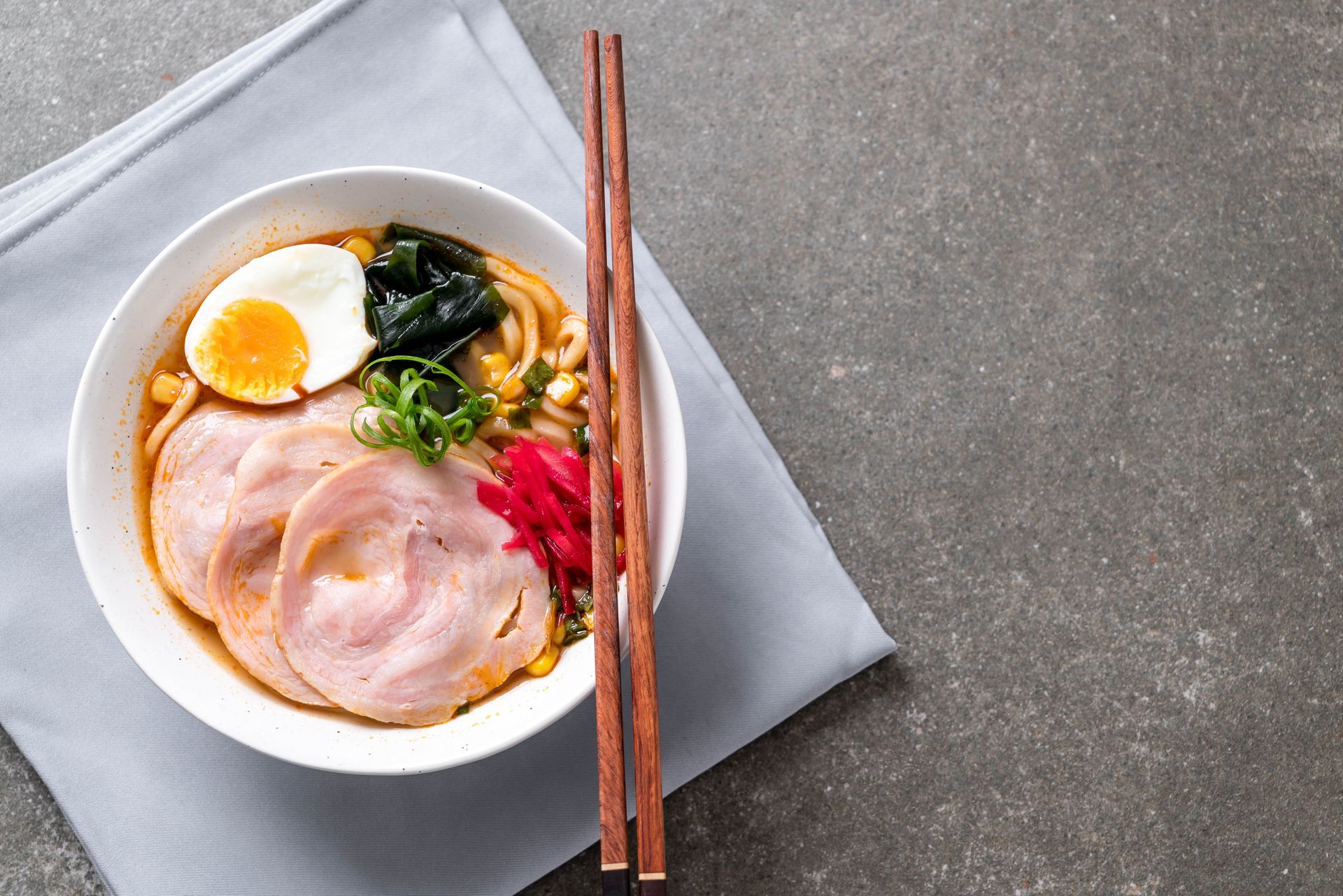
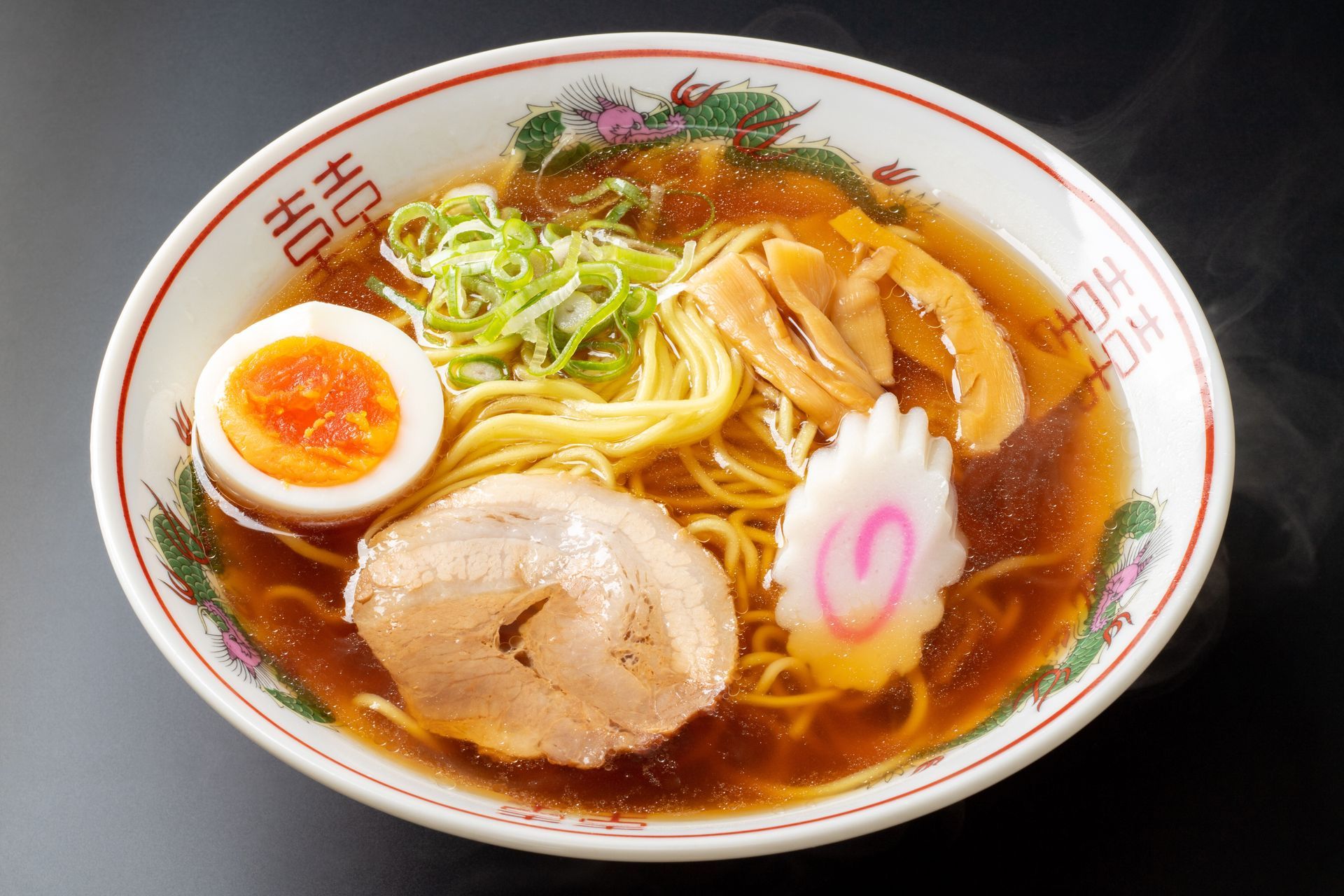
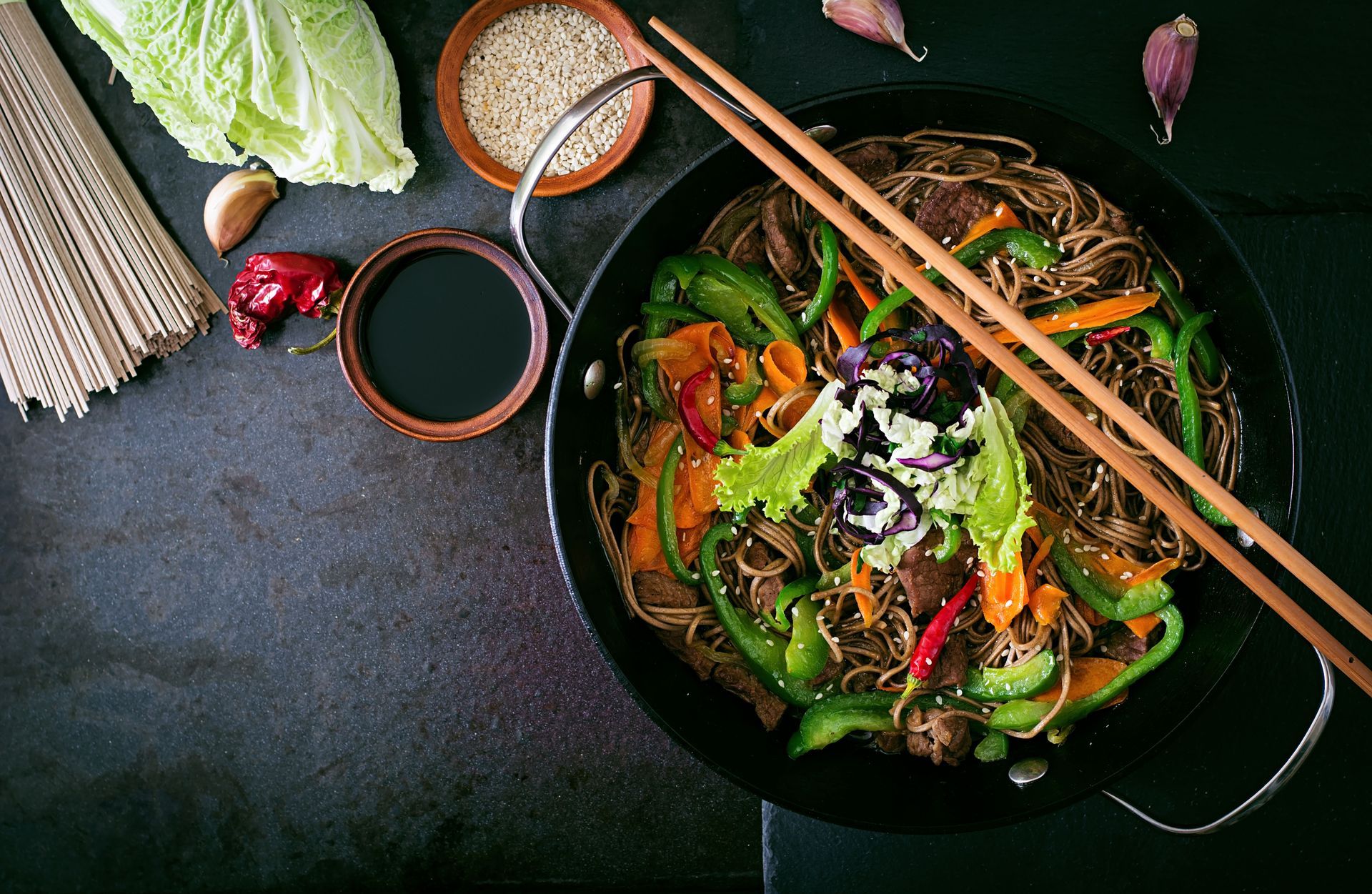
One of the clearest signs of authenticity is the use of ingredients that reflect the heart of Japanese cooking. Fresh noodles, carefully prepared broths, properly seasoned rice, seaweed, miso, soy-based sauces, and high-quality proteins all play an important role in shaping flavor. Even simple dishes can feel special when the ingredients are chosen with care and handled properly. Japanese cuisine often highlights balance rather than excess, so every element on the plate or in the bowl should contribute to the overall taste. The quality of ingredients can influence not only flavor, but also texture, aroma, and the visual appeal of the dish.
That attention to ingredients helps a meal feel more grounded in tradition. A Japanese restaurant that values authenticity does not rely only on trendy additions or overly complicated combinations to impress guests. Instead, it allows the ingredients to speak for themselves through thoughtful preparation. Broth should taste layered and developed rather than rushed. Proteins should complement the rest of the dish rather than overpower it. Vegetables, garnishes, and seasonings should feel purposeful. When ingredients are respected in this way, the food feels more balanced and more connected to the culinary roots that make Japanese cuisine so appealing.
Preparing Dishes With Care
Authenticity is also reflected in how dishes are prepared. Japanese cooking often involves discipline, patience, and close attention to detail. Whether a restaurant serves ramen, rice bowls, small plates, or other specialties, preparation matters at every step. Broths may require hours of cooking to develop depth. Noodles need the right texture. Toppings should be portioned and placed thoughtfully so that the finished dish looks inviting and tastes complete. These details may seem small on their own, but together they shape the experience and help distinguish a carefully prepared meal from one that feels rushed.
Guests often notice when that level of care is present, even if they cannot identify every technique behind it. A Japanese restaurant with a strong preparation process creates dishes that feel polished and consistent from one visit to the next. The temperature of the food, the arrangement of ingredients, and the timing of service all contribute to how the meal is received. Authenticity often comes through quiet precision rather than dramatic presentation. When a kitchen takes the time to prepare dishes thoughtfully, guests are more likely to leave feeling that the experience was genuine, satisfying, and worth returning for.
Creating a Thoughtful Atmosphere
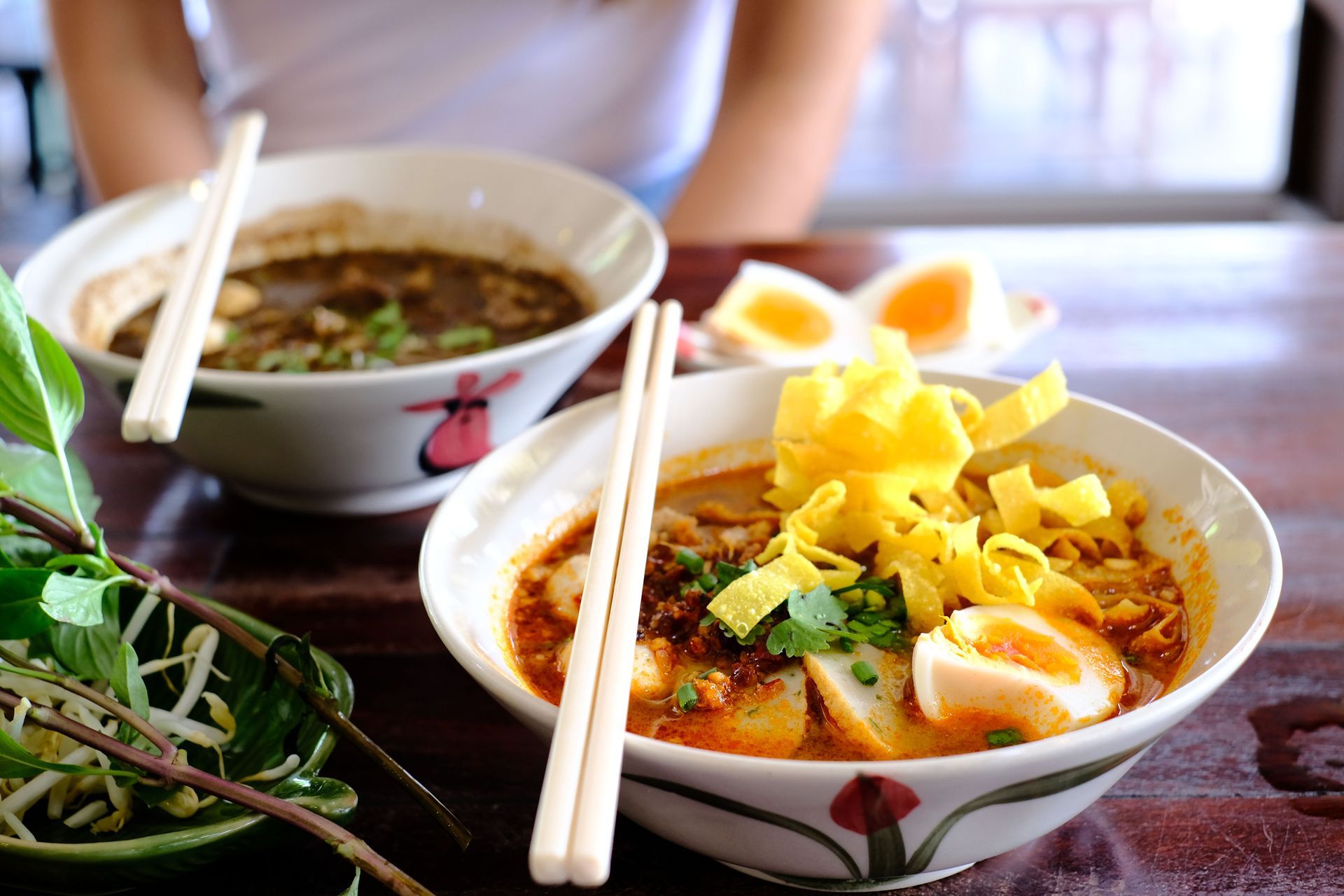
The dining environment plays a major role in how authentic a restaurant feels. Décor does not need to be elaborate, but it should feel intentional and aligned with the overall concept. Lighting, seating, table settings, menu design, and music all help shape the mood. In many Japanese-inspired spaces, a clean and uncluttered atmosphere supports the dining experience by allowing guests to focus on the meal and the company around them. The goal is not necessarily to recreate another country in a literal way, but to create a setting that reflects calm, care, and attention to detail.
A thoughtful atmosphere can make the experience feel immersive without becoming overwhelming. A Japanese restaurant often stands out when the space feels organized, comfortable, and welcoming from the moment guests walk in. The environment should support the food rather than distract from it. Small details, such as the way dishes are presented at the table or how the dining room flows during busy hours, can make a lasting impression. When the atmosphere feels cohesive, guests are more likely to connect the setting with the flavors and service, which strengthens the sense that the experience is authentic from start to finish.
Presenting Food With Intention
Presentation is a major part of Japanese dining because appearance often reflects the same care given to flavor and preparation. Bowls, plates, garnishes, and portioning all contribute to how the meal is experienced. A beautifully presented dish can build anticipation before the first bite and communicate that the restaurant takes pride in what it serves. This does not mean every plate needs to be elaborate. In fact, authenticity often comes through simplicity, balance, and thoughtful arrangement rather than decoration for its own sake.
When presentation is handled well, it reinforces the identity of the restaurant and the character of the cuisine. A Japanese restaurant that presents food with intention usually pays attention to color contrast, portion balance, and the natural appeal of the ingredients. The visual experience should feel clean and inviting, not cluttered or excessive. Guests often associate this attention to detail with quality because it shows that the restaurant values the entire dining experience, not just one part of it. When presentation, flavor, and atmosphere align, the overall meal feels more complete and more memorable.
Reflecting Cultural Respect
Authenticity also depends on how well a restaurant respects the culture behind the food it serves. This can be seen in the menu, the language used to describe dishes, the cooking methods chosen, and the overall approach to the guest experience. A restaurant does not need to be rigid or overly formal to feel authentic, but it should show a genuine appreciation for the traditions that shaped the cuisine. That respect often comes through in the choices the restaurant makes, from recipe development to staff knowledge to the way signature dishes are explained.
Guests can often tell when a restaurant is treating culture as more than a theme. A Japanese restaurant that reflects cultural respect is more likely to offer an experience that feels grounded and sincere rather than superficial. This can help diners feel more connected to the meal and more interested in the flavors and traditions behind it. Authenticity is not about perfection or exclusivity. It is about intention, consistency, and a willingness to honor the roots of the cuisine while serving guests with care. When those qualities are present, the restaurant experience becomes far more meaningful.
A truly authentic dining experience comes from more than one factor. It is shaped by quality ingredients, careful preparation, a welcoming atmosphere, attentive hospitality, thoughtful presentation, and cultural respect. When these elements work together, a meal can feel satisfying in a way that goes beyond taste alone. That is what makes a Japanese restaurant memorable and encourages guests to return again. If you are looking for a dining experience that brings together flavor, comfort, and care in every detail, contact X Ramen today.