March 4, 2026
Discover the rich and diverse flavors of Japanese cuisine that go far beyond simple noodles. While many people first think of sushi or elaborate multi-course meals, the true heart of Japanese comfort food lies in the meticulous preparation of ramen and traditional side dishes.
According to industry data from IBISWorld, there are currently 22,837 Japanese restaurant businesses operating across the United States. This significant market presence means that diners have more opportunities than ever to embark on a taste adventure. Whether you are seeking a light appetizer or a robust, steaming bowl of noodles, the following sections will guide you through an enriching exploration of Japanese comfort food. Prepare your palate and set off on a culinary quest that promises delight with every bite.
Understanding Ramen: The Soul of Japanese Comfort
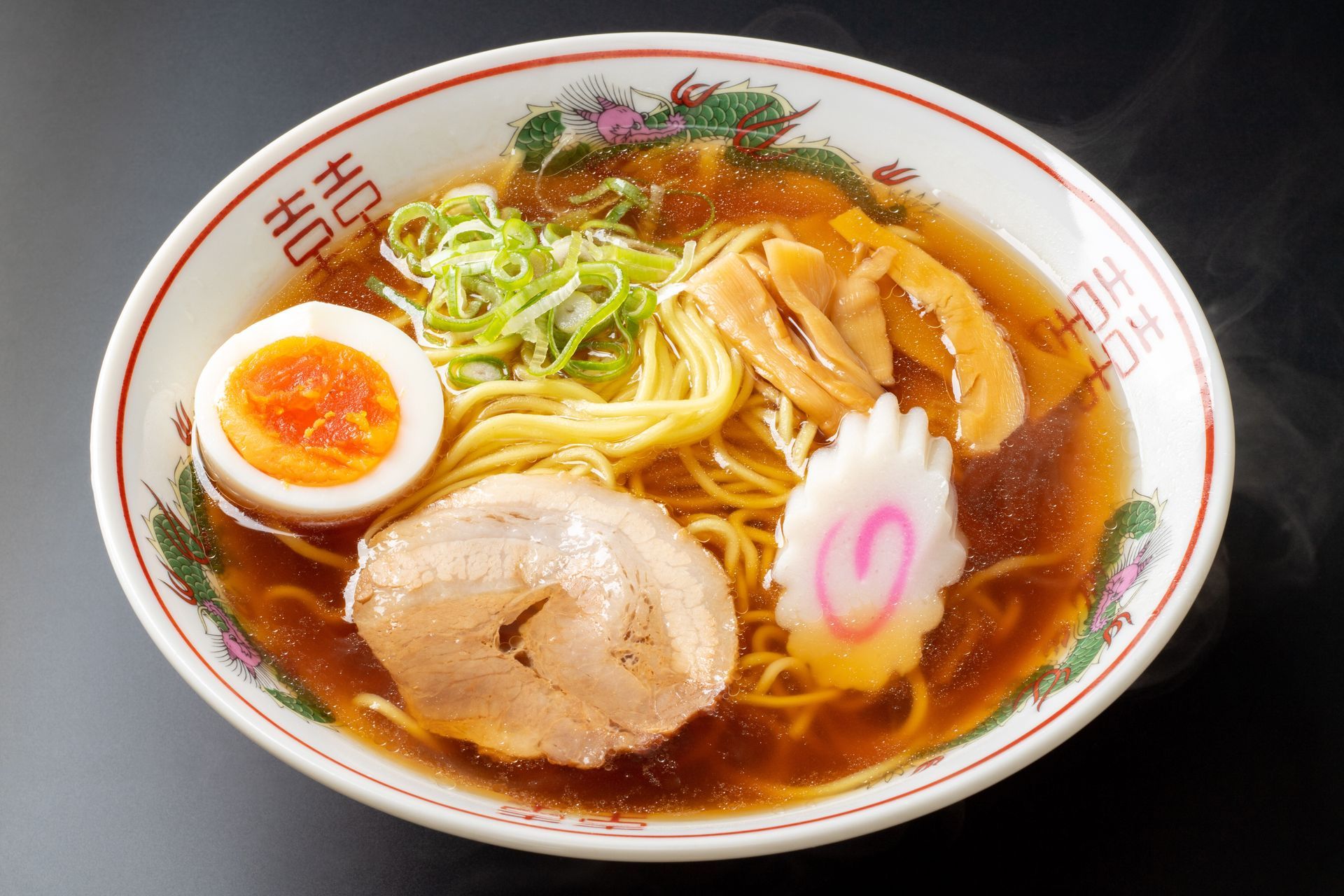
Shoyu ramen is renowned for its soy sauce-based broth, offering a rich depth of flavor that is both comforting and satisfying. Its deep umami profile, enriched with high-quality fermented soy sauce, is a favorite among many ramen enthusiasts who frequent their local Japanese restaurant in search of authentic comfort food. This clear, brown broth pairs perfectly with curly noodles, tender pork slices, and crisp vegetables, creating a dish that is balanced and fulfilling. The savory complexity of the broth showcases the skills of chefs in their pursuit of the perfect noodle soup, providing a timeless experience that remains a cornerstone of the Japanese dining tradition.
Testing Miso Ramen: Rich and Robust Flavors
Miso ramen adds a different dimension to the ramen experience with its opaque, flavorful miso broth. Well-suited for those craving a deeper, more robust flavor, miso ramen typically highlights regional and seasonal ingredients. Authentic miso ramen involves the harmonious interplay of fermented soybean paste, thick noodles, and an array of toppings that may include corn, butter, and bamboo shoots. This variety is prevalent in many eateries, offering diners a chance to taste the savory satisfaction that miso can bring. Across the U.S., miso ramen remains a beloved choice for those seeking hearty warmth and a complex, nutty flavor profile.
Enjoying Tonkotsu Ramen: Creamy Pork Broth
Tonkotsu ramen is celebrated for its creamy, luxurious broth, fashioned from pork bones simmered for many hours until the marrow dissolves into a milky consistency. This style of ramen offers a comforting balance of richness, dense noodles, and tender chashu (braised pork) slices. Patrons frequently find themselves enchanted by the velvety texture and savory depth, returning for bowl after bowl. As a staple menu item in many noodle shops, tonkotsu ramen displays the ingenuity within Japanese culinary tradition. Given the vast presence of the local Japanese restaurant in the U.S., curious diners can easily indulge in the rich, collagen-heavy taste of authentic tonkotsu.
Discovering Fried Delicacies: A Crispy Experience
Shrimp tempura represents the pinnacle of Japanese frying techniques, yielding a crispy, delicate exterior and a luscious, juicy interior. This dish is lauded for its transparency, allowing the natural sweetness of the shrimp to shine within its light, airy batter shell. Unlike the heavy breading found in Western cuisine, tempura uses a cold batter and hot oil to create a bloom of crispness. Shrimp tempura can be served as a standalone appetizer or as a garnish to several main courses.
Finding Gyoza: The Perfect Dumpling
Gyoza, or Japanese pan-fried dumplings, are a staple appetizer at any ramen-focused local Japanese restaurant. These dumplings typically feature a thin dough wrapper filled with a mixture of ground meat and vegetables. The cooking technique is unique: they are first pan-seared to create a crispy bottom and then steamed so the filling is juicy, and the top is tender. Served with a tangy soy-vinegar dipping sauce, gyoza provide a satisfying textural contrast. Their popularity across the U.S. highlights the universal appeal of this savory, bite-sized delicacy.
Evaluating Small Plates and Fresh Sides
No visit to a Japanese establishment is complete without a bowl of edamame. These young soybeans are steamed in their pods and lightly sprinkled with sea salt. While simple, edamame are highly addictive and provide a healthy, protein-rich start to any meal. They encourage a slow, social dining experience as guests pop the beans from their pods while waiting for their main course. Their widespread presence in U.S. restaurants speaks to their status as the quintessential Japanese appetizer.
Appreciating Seaweed Salad: A Refreshing Crunch
Seaweed salad offers a vibrant, refreshing contrast to the rich, fatty broths found in ramen. The seaweed is typically tossed in a dressing of sesame oil, rice vinegar, and soy sauce, then topped with toasted sesame seeds. It provides a unique oceanic flavor and a crunchy texture that cleanses the palate between bites of savory noodles. Its bright green color and nutritional density make it a popular choice for health-conscious diners looking to round out their Japanese feast.
Considering the Cultural Importance of the Ramen Shop
The modern ramen shop is a descendant of the street stalls that once populated Japan’s urban centers. Over time, these shops have become "temples of umami," where chefs spend decades perfecting a single type of broth. This dedication to craft is what separates a noodle house from a general eatery. When you visit a ramen-focused local Japanese restaurant, you are experiencing the results of hours of labor, from the simmering of bones to the precise timing of the noodle boil.
Understanding the Ritual of Slurping
In Japanese culture, slurping your noodles is not considered rude; rather, it is a sign of appreciation and a practical way to enjoy the meal. Slurping allows air to mix with the noodles and broth, which cools the hot liquid and enhances the release of complex aromas through the back of the nasal passage—a process known as retronasal olfaction. This technique is similar to how wine connoisseurs aerate a vintage to unlock its full profile.
When you sit down at your local Japanese restaurant, you may notice this rhythmic sound filling the dining room, signaling a collective enjoyment of the chef's hard work. Beyond the flavor benefits, slurping serves a functional purpose by allowing you to eat the noodles while they are at their peak temperature without burning your palate. Understanding these small cultural nuances can transform a simple dinner into a more immersive experience. It allows the diner to connect with the traditions that have made ramen a global phenomenon, turning a quick lunch into a respectful nod to centuries of culinary history.
Observing the Open Kitchen Experience
Many Japanese restaurants feature an open kitchen design, where guests can watch the chefs at work. This Transparency is a hallmark of Japanese hospitality, or omotenashi. Watching the "noodle shake" (where excess water is vigorously flicked from the noodles) and the careful arrangement of toppings adds a theatrical element to the meal. It reinforces the fact that every bowl is made to order with a high level of care and attention to detail.
From the complex layers of a slow-simmered tonkotsu broth to the satisfying crunch of golden shrimp tempura, Japanese cuisine offers a vast array of flavors and experiences. By venturing into the specialized world of ramen, food enthusiasts can embark on a culinary journey that reflects the true essence of Japanese comfort. Remember to savor each spoonful of broth and embrace the artistry behind every dish prepared for you.
Are you ready to experience these incredible flavors for yourself? Visit X Ramen today, your premier local Japanese restaurant, and explore our extensive menu of authentic dishes. From steaming bowls of meticulously crafted ramen to our crispy appetizers, we invite you to discover your new favorite Japanese delicacy. Join us for an unforgettable dining experience that celebrates Japanese culinary tradition and modern comfort.